

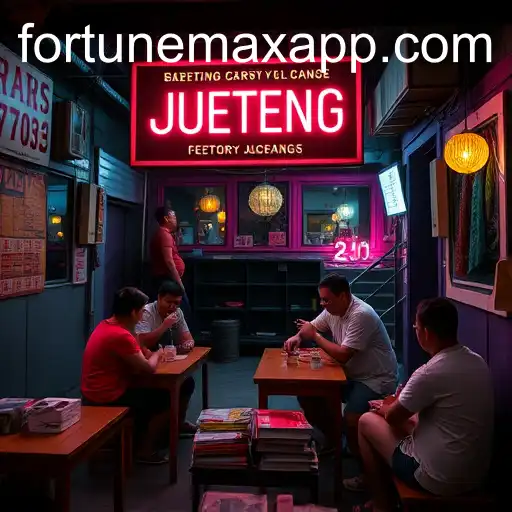

Jueteng has long been a controversial topic in the Philippines, where it operates as an illegal numbers game that continues to evade eradication despite multiple crackdowns and stringent laws. This traditional form of grassroots gambling is deeply rooted in Filipino culture, bearing an intricate history and ingrained societal implications. Jueteng thrives because it embodies both an economic necessity for many of its participants and a clandestine culture that has been resistant to change.
The game originated from the Philippines during the Spanish colonization period. Jueteng is believed to have evolved from a Chinese numbers game, a testament to the multicultural influences that shape Filipino practices. The term itself is derived from the Chinese words "ho" (meaning flower) and "te" (meaning flowerpot). Over years, it morphed into jueteng, symbolizing its adaptation to local preferences.
The popularity of jueteng stems from its simplicity. Players pick a sequence of numbers, usually two, from a given range. The bets are collected by a 'kubrador', a local bet collector, who submits these bets to a coordinator known as the 'cabo'. The drawn numbers are generated and announced, determining the winners who could potentially receive a payout of up to 30 times their original bet, depending on the terms set by the local operators.
For many Filipinos, jueteng is more than just a game of chance; it is a lifeline that offers them a glimpse of hope and a potential escape from poverty, albeit temporarily. Despite its illegality, jueteng provides an alternative source of income not only for the bettors but also for those working within the system. The financial scale of jueteng operations often propels individuals to participate either as operators or staff involved in the betting process.
In various communities, jueteng functions akin to an informal economic structure. It reflects the gaps in the formal economy by fulfilling the citizens' financial needs that legal institutions often overlook. For instance, individuals facing unemployment or insufficient wages turn to jueteng for supplementary income. The game’s widespread nature and familiarity make it a readily accessible option for those in dire need, regardless of its legal status.
Before delving into the negative societal impacts, it is essential to recognize that jueteng also instills a sense of community among its stakeholders. Regular interactions among players, bet collectors, and operators foster tight-knit relationships, bringing a sense of belonging. However, the societal repercussions of jueteng can't be ignored. It perpetuates cycles of poverty and financial risk, particularly among those who allocate significant portions of their limited resources towards bets, in hopes of a jackpot that is statistically unlikely to materialize.
Despite numerous governmental initiatives over the decades aimed at eradicating jueteng, the game prevails, posing a challenge to law enforcement and policymakers. The reasons for jueteng’s sustained prevalence are multifaceted, involving socio-economic, cultural, and political layers.
Efforts to eliminate jueteng are often undermined by corruption within various levels of local and national government. Reports frequently surface about law enforcement officials turning a blind eye toward jueteng in exchange for financial kickbacks. This systemic corruption not only hinders the crackdown on jueteng but also perpetuates its existence as influential individuals continue to shield operations from legal scrutiny.
Moreover, deeply ingrained cultural habits play a significant role. For many Filipinos, jueteng is as much a part of their daily ritual as conducting household chores or socializing with neighbors, making it difficult to dismantle.
While entirely eliminating jueteng may seem a formidable challenge, focusing on providing legitimate alternatives could serve as a pragmatic solution. Enhancing the reach and effectiveness of regulated gambling, like the Philippine Charity Sweepstakes Office (PCSO), could absorb some of the jueteng market by providing legal outlets for gambling activities, where revenues support public welfare.
Another alternative lies in instigating socio-economic improvements that elevate the financial standing of poverty-stricken communities. Job creation, community-based projects, and education initiatives targeting the underprivileged can diminish reliance on jueteng as a means of economic survival.
One emerging term that has surfaced in connection with jueteng is "fortunemax". While details around its involvement remain speculative, discussions suggest that ‘fortunemax’ could denote a modern, technologically-endowed evolution of traditional jueteng practices. Unlike the conventional methods reliant on face-to-face interactions between bettors and kubradors, fortunemax potentially represents a sophisticated, digital adaptation, allowing players to participate in betting through online platforms.
This development, while speculative, is crucial as it demonstrates the adaptive nature of jueteng operations. Embracing technology might not only streamline processes but also expand the reach of betting activities beyond traditional geographic confines. However, it remains debatable whether fortunemax offers any viable return to the public welfare or merely enhances the illegal gambling sector's grip on vulnerable populations.
Jueteng persists as a complex issue shaped by historical precedents, socio-economic challenges, and modern adaptations. While formidable efforts to eradicate it continue, understanding the underlying factors contributing to its persistence is crucial. Addressing jueteng's root causes requires a multifaceted approach that combines law enforcement effectiveness with economic empowerment and cultural shifts within the community.

Explore the exciting world of CourierSweeper, a strategic game that challenges players to deliver parcels while uncovering hidden treasures.

Explore the unique world of EmojiRiches, a captivating digital game combining the charm of emojis with the thrill of fortune gaming.

Explore the captivating world of SinCity with FortuneMax! Discover game descriptions, rules, and immersive experiences.

Explore the world of CAISHENCOMING, a captivating game that fuses traditional themes with modern casino elements. Learn how to play, grasp the game's rules, and delve into the intriguing features that make it a must-play.

Dive into the captivating world of TreasureSnipes, an immersive game that brings players into a realm filled with adventure, strategy, and the allure of fortunemax riches. Discover the game's features, introduction, and rules as you embark on this exciting expedition.

Delve into Crazy7772, an exhilarating game by Fortunemax that combines chance with strategic gameplay. Learn about its unique features, engaging rules, and its place in today's gaming landscape.
